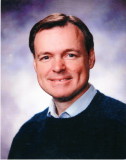
Interview with Fulmer
Description
Interview with Fulmer
Transcript
Go on there. Counting one, two. Yep, we've got something going. We're talking with Gene Fulmer, former middleweight champion of the world. And Gene, exciting career. Something that a good many young men dream of as being champion of the world. What does it feel like to be champion of the world in your weight class? Well, it was a great thrill, of course, winning it, but it never changed my lifestyle a great deal. I. I lived the same before as I lived during and as I've lived after. I only knew one deal, and that was work. And I worked before and worked during and working now. Matter of fact, I opened up a couple restaurants up there in Salt Lake that I'm running now. And I work there from morning till night every day, except when I sneak away once in a while, which is not very often, once a month or something. And so I've only known work. And I think every young man that has achieved any success at all will have to appreciate that's the only way you're going to get anything is through work and a lot of it. Let's trace the career back from the beginning. How did you get interested in boxing? Well, I got interested, I guess, right from the time I was born. My mother named me after Gene Tuney, and I kind of started from there. I started about an early age, about 8 years old, when my dad bought me my first boxing gloves when I was six years old, before we went to school. And then I just enjoyed it. And then my manager lived not far from me and I figured working out in a real ring would be quite a deal. And I got to do that and a lot of excitement. There was a time in the Second World War and there were a lot of exhibitions going on, and we got to travel around and put on exhibitions for the army camps and stuff with the other boys. And I just grew to enjoy the sport. As a matter of fact, the only reason I turned professional was because there was a lot more professional fighting then than there was amateur fighting. And I enjoyed it the extent that I wanted to do more of it. So I joined the professional ranks and of course, the army took a couple years out of my career during the Korean War. And then I came back after and started fighting seriously in 1954. Of course, I was very fortunate. With a lot of hard work and a lot of luck and a lot of help from a lot of people. I ended up winning the championship in 1957. And then, of course, in January the second and May 1st that same year, I lost the title again. Then I dropped me clean down out of the top 10. And I had to work my way right back up again. And a couple years later, I got to fight a fellow named McCarm Basilio for the vacated title, and I won that. And then I got to fight Robinson a couple times after that and redeemed the knockout law. So I had a lot of interesting highlights and a lot of things that give me a lot of thrills. But I think every young man, regardless of what he goes into, if he works hard and. And diligently and achieve success in whatever he may happen to do, it gives you a lot of excitement and a lot of thrills. Do you remember your first professional fight, the first man that you Very well. I fought a fellow by the name of Glenn Peck in Logan. Matter of fact, I fought on a cart up there where Rex Lane was fighting Ezra Charles. And it rained like cats and dogs before the fight. Right after Lane's fight, they put his fight on early in the rain, and I didn't think I was going to be able to fight, but it was outdoor, of course, and they decided that we'd go ahead. So we was walking in about an inch of water, but I ended up knocking the fellow out in, I think, the second or third round. And of course, early in my career, I came down here to. I had about four or five fights. I came down here and fought the Hurricane. They had some fights over there one night. I don't recall for sure whether it was during the fair or not, but being professional fights. But I came down here and fought over in Hurricane, one of my first fights. As a matter of fact, it was about the time when a fellow by the name of Hurricane Jackson was fighting on television. And the people when you said you fought in Hurricane, they thought it was putting them on. We had to actually have a postcard, postmark from Hurricane to send back to let them know that we really wasn't teasing, that there really was a Hurricane. We're having a little problem. There we go. Now we can continue on. Out of your title fights, is there any one or two that stand out above all others? Well, I probably had about as much success in fighting a fellow by name of Carmel. And a lot of people figured that I couldn't box at all, that I was strictly a slugger. And of course, the reason I could box this fellow was he was one of the only guys that was about my height, which makes a great deal of difference is how you go about fighting. If I fought a guy like Ray Robinson that had three or four inches reach on Me like I fought Basilio, why, he'd have been hitting me and I'd have been hitting air and it wouldn't hurt a lot. So you have to change style somewhat, which I was very fortunate and could do. And I did box Basilio and won the fight probably easier than I would have had. I fought other methods and it gave me a lot of satisfaction because there weren't very many people figured that I could box the lick. And this changed a lot of them's mind. How did you get that first fight with Robinson, the first title fight? Well, the first title fight with Robinson, of course I'd fought and I'd. I'd beat pretty well everybody I fought and all the leading contenders. And there was a guy, first of all, Bobo Olson was champion and Robinson was ranked number two and I was ranked number three and Charlie Humez, a fellow from France, was ranked number four. Well, I got lined up to fight Charlie Humez and in the meantime, before my fate came off, where Robinson fought Bob Olson and Robinson knocked Olson out in the third round and that put Robeson from second to champion and moved me up to number two and Humez up to number three. And I fought Humez in the garden and I beat him in decisive decision. And so that put me two, put me up to one and next line to fight Robson. And we hackled back and forth for about a year and Robinson was a man that's pretty tough to deal with. Of course, at that time most of the television receipts, they would split them 40% for the winner or for the champion and 20% for the challenger. And the same way with the gate. Well, I ended up getting 12 and a half percent of the gate and none of the television money for that first fight. So I just barely covered expenses. But I won the fight and that was the thing that counted. And of course I went on from there and won again and it paid off. But it's one of them things, you have to take a chance sometime and we took one that paid off. Of course, if I had lost then it wouldn't have been a very smart idea in that first fight. Was there a point in the fight when you suddenly clicked in the back of your mind, hey, I've got Robinson, I'm going to beat him? Well, right off the bat I felt confident because I'd watched him train and of course he was somewhat older than I was and a lot of people claimed he was over the heel, which he may have been, you know, but nevertheless I knew if I put a lot of pressure on him, then I would have a lot better chance. And this was my style of fighting anyway. And I did put a lot of pressure on him. And early in the fight, he started holding a lot and wouldn't fight back, but clenching a lot. And I felt very confident that I could go on through. Of course, I felt confident. The second fight I had, I might do the same thing. And the first four rounds, I'd won the first four rounds on every judge's card. And the fifth round, he come out and hit me with the left hook on the chin and turn the lights out. And while the lights out, they counted 10. So, you know, funny things can happen. Does a fighter ever see that knockout punch coming? I surely didn't see the one that hit me coming at all. I didn't see it, didn't feel it. All I'd done was blanked out 10 seconds of my life. Now, let's compare two fights the next morning, after the first Robinson fight, how does it feel when it suddenly sinks in that, hey, I'm world champion. And secondly, after that second fight, how does it feel like I'm no longer world champion? Well, of course, it's an exuberant feeling when you win and know that you're recognized as champion. Although I never did feel that I was best. I figured at point, some. Someone surely could beat me sometime, somewhere, which they eventually did. But it gives you a great deal of satisfaction. And of course, after the second fight, when you lose for quite some time after, you keep running, how could you make such a mistake as you did? Which it was a mistake. It wasn't something. It wasn't that I'd been beat. It was just that I got hit with the right punch at the right time and everything, you know, turned the lights out. And I guess it can happen to anybody. But it was probably one of the best things that happened to me because I realized then that I could be knocked out. And up to then, I probably had the idea in my back of my mind that, you know, I couldn't because I'd been hit some pretty tough shots and never rattled me at all. But this one, of course, hit in the right place, and it made me a much better fighter. I probably trained harder and worked harder and was never satisfied that any fight was as good as I could do. And consequently, I'd go back in the gym and work harder than ever the next time, trying to overcome some of those inabilities that I knew I had. When you're training for a fight the last few weeks, trying to peak Your physical condition for the time you step into that ring. What is a typical day like? Well, you get up in the morning approximately five o' clock and you do approximately five miles of road work. Then you come back and you go to bed again and get up probably about 10 o' clock and eat breakfast. Then about 2 o' clock that afternoon you go to the gym and you work out for about three hours and sparring with the sparring partners and punching heavy bags and light bags and jumping rope and calisthenics. And then of course you get dressed about after about three hours and you usually rest for about an hour and let your system cool down. Then you go have dinner about 6 o' clock and after dinner, high protein dinner while you take a couple mile walk, leisurely walk just to help settle your stomach and that, and then come back and maybe watch television or read a book for an hour or two and be to bed by 9:30. Do you have to guard against cramping of muscles? Well, not necessarily. Of course they say that a good fighter don't need a masseur and a poor one can't afford one. But towards my last fights I used to have a masseur that would usually after every fight would give me a massage. And mainly this wasn't necessarily because my muscles was sore because I was getting older, but a lot of it was to do that. I had a weight problem and I was having a hard time making weight. And he would help rub some of the fat out of your system along with relaxing the muscles and getting the blood circulating in the bruised muscles, which this is what happens when you get a bruised muscle, it becomes inactive and you get some emissure that knows what they're doing to get that blood circulating again. Of course that bruise heals up and your whole body functions better while you're in a fight. How much time do you have or how much do you actually think during a fight or how much is just pure reaction from all the training you've gone through? Well, of course you think quite a bit, but most of it's reaction. And this is why you have to train so hard. It isn't easy, it isn't hard to, to do the right thing when you have an easy fight. But when the pressures get on you, like everything else, you revert back to what comes natural. And if your style is real sloppy, naturally when things get rough and you need it worse, that's when you're going to revert to your wild plan. So you have to train so hard and so long. I did anyway to make everything come, make the right things, be natural to me. And then when you get under pressure, then when you revert back to what's natural, why they were the right things. And it's kind of hard to explain this to people that, you know the way this works. But you just have to make sure that everything's right, you know, make sure, train it and do it so many times that it's a natural thing to do rather than the unnatural. A lot of people looking back saying, here's Gene Fulton, he's had all of these opponents and you've probably seen a good many fighters, too. Double question. Who was the toughest man that you fought, who you felt was the toughest personally? And who was the toughest man that you've seen? Were they one in the same? Well, I don't really know. When people ask me who was the toughest man, I try to remember the easiest one, and I don't remember any easy ones. And to be saying one was a lot tougher than another one be doing an injustice to a lot of guys. Of course, the toughest middleweight I ever seen, I really don't know. I would have to say Robinson had the name for being the best boxer pound for pound that ever came along. And as far as boxing, probably, but he didn't give me the hardest fights due to this difference in our styles. But a fellow by the name of Dick Taggart from Nigeria who eventually took my title, I think probably give me his toughest fights anybody. And it was due to his style was very similar to mine and he just kind of like dog eat dog kind of deal. Rather than have to figure out how you out box him, well, you just had to get in there and do it the hard way. What about those fighters that you hadn't boxed, the toughest one, in your opinion that you've seen? Well, I don't know this. I thought Rocky Marciano was the type of fighter that I enjoyed watching because he had a style similar to mine. I mean, he was aggressive and not a lot of polished, rather crude, but he just kept coming and kept boring you and kept hitting you with everything he had in any direction. And this is always frustrating and tough to fight. And so I would probably say that he was one of the, you know, probably as toughest men as I ever seen box. You deserve many congratulations for the things that you've accomplished in your life, both in the ring and outside, and thank you for being with us, Genevieve. Well, it's been my pleasure. I enjoy talking with you and enjoy the people in southern Utah very much. A lot of great people here. Thank you.
372
views
0
downloads